In the world of piping solutions, the choice of pipe saddle plays a critical role. Pipe saddles provide essential support and protection for pipes, ensuring durability. As buyers explore various options, understanding material properties becomes vital. Factors such as resistance to corrosion and temperature impact long-term performance.
Global buyers face unique challenges. They may prioritize cost-effectiveness while needing reliability. It’s essential to balance quality with price. Manufacturers often present attractive options, yet not all deliver as promised. Buyers must be cautious and conduct thorough research.
In selecting the right pipe saddle, considering the specific application is crucial. Different environments demand distinct features. Industrial settings might require robust designs, while residential use may allow for more standard solutions. Each decision carries weight and influences the overall system's efficiency. It’s important to reflect on the options available and choose wisely.
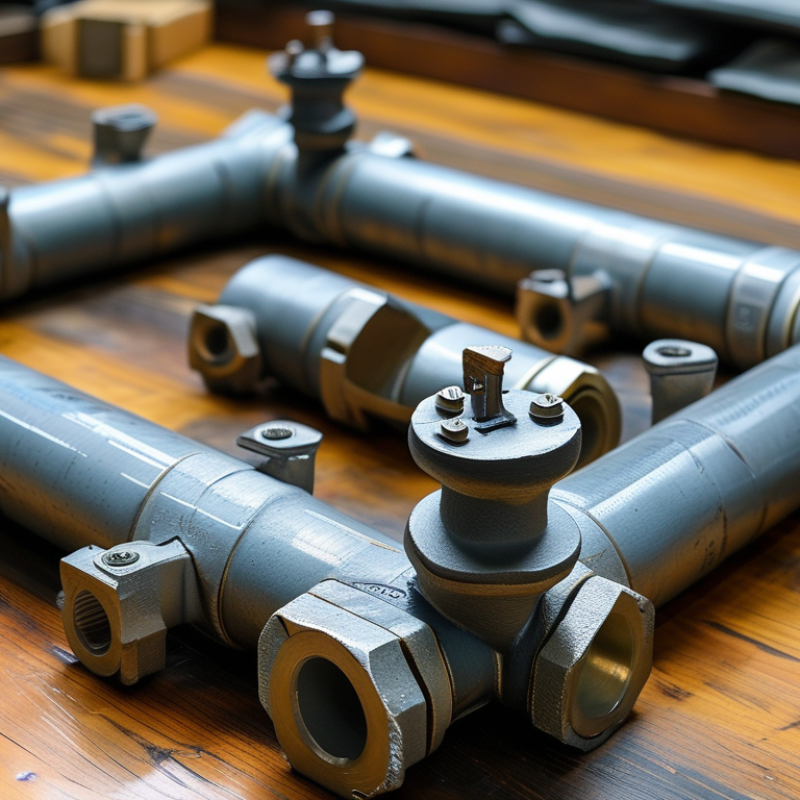
Factors Influencing the Choice of Pipe Saddle Materials
Choosing the right materials for pipe saddles is crucial for ensuring durability and performance. Various factors influence this decision. One important consideration is the environment in which the pipe will operate. High temperatures or corrosive substances can degrade certain materials over time. Stainless steel offers resilience in tough conditions, but it can be more expensive. On the other hand, plastic saddles might be suitable for less demanding environments but may not withstand high pressures.
Another significant aspect is installation ease. Some materials are lighter, making them easier to handle. This can impact both costs and time during setup. Conversely, heavier materials might provide better stability but can complicate the erection process. Additionally, the temperature and pressure ratings of the material should match the specific application requirements. These mismatches can lead to failures, which may incur expensive repairs.
Sustainability also plays a role. As environmental concerns grow, opting for recyclable materials is becoming essential. However, balancing these preferences with performance and cost remains a challenge. While certain materials may seem optimal, reflecting on their long-term implications is crucial. Making an informed choice involves weighing immediate benefits against potential future issues in the system.
Types of Pipe Saddles and Their Applications in Various Industries
Pipe saddles play a crucial role in various industries. They are essential components for supporting pipes in different applications, including plumbing and oil and gas. Each type of pipe saddle has unique features tailored for specific uses. For instance, a saddle designed for heat tracing may differ significantly from one used in plumbing. This variation highlights the need for careful selection based on the intended application.
In the construction industry, pre-insulated saddles are common. They ensure that heat loss is minimized, especially in cold environments. However, some users may overlook thermal expansion issues, leading to installation challenges. Similarly, adjustable saddles offer flexibility. They accommodate varying pipe sizes and materials but can complicate the maintenance process if improperly adjusted. Understanding the nuances of each type is vital for effective usage and long-lasting results.
The chemical industry often demands saddles that resist corrosion. Selecting the wrong material can result in significant failures. Over time, this may lead to leaks or greater infrastructure problems. Thus, assessing environmental factors becomes crucial. Users need to ask questions and evaluate their choices carefully. Each detail can impact performance, durability, and cost-effectiveness in the long run.
Top Pipe Saddle Options for Global Buyers: What to Consider?
| Type of Pipe Saddle |
Material |
Application |
Industry |
Temperature Resistance |
Weight Capacity |
| Standard Pipe Saddle |
Steel |
Support for pipelines |
Construction |
-20°C to 100°C |
1000 kg |
| Insulated Pipe Saddle |
Fiberglass |
Thermal insulation |
Oil & Gas |
-40°C to 120°C |
800 kg |
| Plastic Pipe Saddle |
PVC |
Water and wastewater |
Municipal |
0°C to 60°C |
500 kg |
| U-Bolt Saddle |
Galvanized Steel |
Secure fastening |
Industrial |
-10°C to 70°C |
1200 kg |
Key Specifications to Consider When Selecting Pipe Saddles
When selecting pipe saddles, key specifications play a significant role in ensuring proper application. Material selection is crucial; types like polyethylene and steel each have distinct properties. For instance, steel offers high durability, while polyethylene provides corrosion resistance. According to industry reports, 85% of leaks in pipeline systems occur at joints. Therefore, understanding material compatibility with operating conditions is essential.
Additionally, size and fit must be carefully assessed. A proper fit reduces stress on the pipeline. Industry standards suggest that a saddle should have at least 1 inch of clearance to prevent contact with the pipe surface. This can help mitigate wear and potential failures. Many professionals overlook the importance of this detail, which can lead to costly mistakes.
Load-bearing capacity should not be underestimated. The saddle must support the weight of the pipeline, especially in high-pressure systems. Specific guidelines often recommend a safety factor of at least 1.5 times the actual weight. As many engineers find out the hard way, not integrating safety margins can result in significant delays and repairs. Evaluating these specifications can bring reliability and longevity to pipe installations.
Cost Analysis: Budgeting for Pipe Saddle Purchases
When considering pipe saddle purchases, cost analysis is crucial. The global market for pipe saddles is projected to grow significantly, with a forecast increase of around 5% annually through 2025. Budgets can vary widely based on factors including materials, sizes, and manufacturers. Typical pricing ranges from $10 to $50 per unit, depending on these variables. For large-scale projects, even minor cost variations can significantly impact the overall budget.
To ensure effective budgeting, buyers should assess both upfront costs and long-term durability. High-quality materials may have a higher initial cost but can reduce maintenance and replacement expenses over time. A recent industry report highlights that materials like carbon steel can last up to 25 years with proper care, while cheaper alternatives might need replacing within five years. This is a crucial consideration for project planning.
It's also wise to include a contingency in your budget. Unexpected expenses, such as installation complications or the need for additional fittings, can arise. According to industry experts, setting aside approximately 10% of the total budget for contingencies is a prudent strategy. This approach allows for flexibility and can prevent project delays. As the market evolves, staying informed about cost trends and material innovations is essential for making sound purchasing decisions.
Globally Sourced Pipe Saddle Options: Pros and Cons
When considering globally sourced pipe saddle options, it's important to weigh their pros and cons. On one side, international suppliers can offer a wider variety of materials and designs. These can enhance durability and performance in various environments. However, quality control can be inconsistent across borders, leading to potential discrepancies in product standards.
Tips for procurement: Always request samples before making a bulk purchase. Evaluate the materials used in samples to ensure they meet your requirements. Another essential aspect is understanding the supplier’s manufacturing process. A transparent production process usually indicates a reliable supplier.
On the flip side, sourcing globally can sometimes lead to added costs. Shipping fees and import taxes may inflate the original price. Additionally, longer lead times might affect your project deadlines. Hence, it's vital to factor in these variables before finalizing any order.
Consider the local market too. Sometimes, regional suppliers can provide competitive pricing and faster delivery, with lower risks. Balancing global sourcing with local options can yield the best outcomes while achieving efficiency and quality.
FAQS
: Consider the operating environment, temperature, and pressure ratings. Certain materials resist corrosion while others may degrade in harsh conditions.
Lighter materials are easier to handle, but heavier ones can offer better stability. Balance ease of installation with desired stability.
Environmental concerns make recyclable materials essential. However, performance and cost must also be weighed against sustainability.
Each industry has unique requirements. For instance, the construction industry may focus on thermal insulation, while the chemical industry needs corrosion resistance.
Mismatched ratings can lead to system failures and costly repairs. Always ensure compatibility for safe operation.
Yes, if they are not properly adjusted, they can create maintenance challenges. Understanding their application is crucial for effective usage.
Pre-insulated saddles minimize heat loss in cold environments. However, thermal expansion issues may arise during installation.
It is vital to consider potential long-term problems. Immediate benefits might overshadow future issues if not carefully evaluated.
Using unsuitable materials can lead to leaks and infrastructure damage. Assessing environmental factors is key to avoiding failures.
Conclusion
When selecting a pipe saddle, several factors play a crucial role in the decision-making process. The choice of pipe saddle materials is influenced by the specific conditions of its intended application, including temperature and corrosion resistance. Various types of pipe saddles serve different industries, such as construction, oil and gas, and water treatment, each with unique requirements. Key specifications, including size, weight capacity, and installation ease, are also essential to ensure optimal performance.
Cost analysis is a vital aspect of budgeting for pipe saddle purchases, as it helps buyers assess their options against available financial resources. Finally, globally sourced pipe saddle options offer distinct advantages and disadvantages; understanding these can aid in making an informed choice. By considering these factors, buyers can effectively navigate the market and select the most suitable pipe saddle for their specific needs.

 Minde
Minde