For global buyers, a fitting is more than a small metal component. It connects pumps, hoses, valves, and process lines under demanding conditions. Male Thread Coupling offers a practical connection option when compact installation and reliable alignment matter.
Its external thread can connect directly with a female port, adapter, or valve. This design often reduces assembly space and simplifies maintenance. Buyers can also compare thread standards, including NPT, BSP, and metric profiles, before ordering. That detail matters. A mismatched thread may leak, seize, or damage valuable equipment.
Material selection requires equal care. Stainless steel can support corrosion-sensitive applications, while brass may suit many general water and air systems. Carbon steel can provide strength in suitable environments. Pressure rating, temperature range, seal type, and media compatibility should be checked together. Experienced procurement teams request dimensional drawings, thread gauges, and inspection records. They may also review batch traceability and testing procedures. These documents improve confidence, but they do not replace practical verification.
Field conditions often reveal overlooked problems. Tight spaces may require a shorter coupling. Frequent disassembly may favor a more durable thread design. Outdoor systems need protection against moisture and contamination. No fitting is perfect. A lower purchase price can create higher maintenance costs later. Even experienced buyers sometimes underestimate installation tolerance. That is worth reconsidering. Choosing Male Thread Coupling becomes more reliable when technical evidence, supplier experience, and actual operating conditions guide the decision.
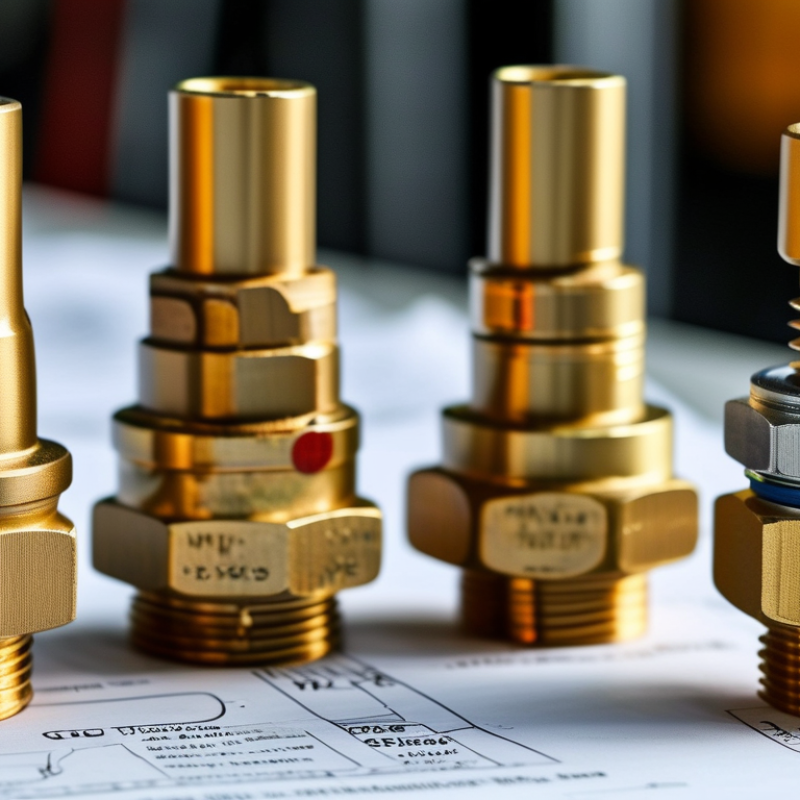
A male thread coupling is a fitting with external threads on one or both ends. It joins a pipe, hose, valve, or female-threaded component. The threaded end screws into an internal thread. Sealing depends on the design, not friction alone. Some connections use a gasket or O-ring. Others rely on approved thread sealant. This small fitting manages a critical transition between components. It may look simple. It is not.
For global buyers, thread compatibility requires careful checking. Common options include tapered, parallel, and metric threads. NPT, BSP, and metric profiles are not automatically interchangeable. Measure the outside diameter, pitch, and thread form before ordering. Also confirm pressure, temperature, fluid compatibility, and material grade. Stainless steel may suit corrosive service, while brass can work well in selected low-risk systems. The wrong material can fail quietly.
Experienced purchasers also inspect the coupling after delivery. Look for damaged threads, uneven machining, cracks, or missing sealing surfaces. A clean thread should engage smoothly by hand before final tightening. Do not force it. Excessive torque can distort the fitting or damage the mating part. Product drawings, inspection records, and traceable test information improve purchasing reliability. Yet specifications can still be misunderstood, especially across languages and measurement systems. A second technical review is often worthwhile.
A male thread coupling connects components through external threads that engage with a female threaded port. The coupling’s inner passage keeps fluid or gas moving through the joint. Thread profiles guide alignment and provide mechanical strength during operation. Some designs use tapered threads, while others rely on straight threads with a gasket or O-ring. Threads alone do not always create a reliable seal.
During installation, technicians should match thread standards, sizes, and materials carefully. A mismatch may appear acceptable but damage the connection. Sealant selection also matters. Certain gases or chemicals can weaken unsuitable sealing compounds. The fitting should be tightened firmly, not excessively. Over-tightening can distort threads, crack softer components, or reduce sealing performance. Small details matter.
In practical systems, male thread couplings are common near valves, gauges, hoses, and rigid pipe sections. Their compact form helps simplify maintenance in tight spaces. Before service, workers should check pressure ratings, temperature limits, and media compatibility. After assembly, a controlled leak test provides stronger evidence than visual inspection. Even experienced installers can miss a damaged thread. That is why clean surfaces and careful inspection remain essential. A coupling may feel secure by hand, yet leak under pressure. Reliable results depend on both sound design and disciplined installation.
Why Choose Male Thread Coupling for Global Buyers?
Male thread couplings offer a practical connection for pipes, hoses, valves, and equipment. Their compact design fits tight installation spaces. They also support quick replacement during maintenance. Global buyers can source them across many industrial supply channels. However, a matching diameter does not guarantee compatibility. Thread type matters greatly. Buyers should confirm NPT, BSP, or metric specifications before ordering.
Standardization improves purchasing reliability. ISO 7-1 defines requirements for pressure-tight pipe threads, while ASME B1.20.1 covers common inch pipe threads. These standards help international teams compare drawings and supplier documents. Material selection remains equally important. Stainless steel suits corrosive environments, while carbon steel may reduce initial cost. That saving may disappear under frequent exposure to moisture or chemicals.
Leak prevention deserves close attention. The U.S. Department of Energy reports that compressed-air leaks can waste 20% to 30% of compressor output. A poorly sealed coupling can contribute to that loss. Use compatible sealants and follow the specified tightening method. Do not overtighten. It can damage threads and create future leakage. Pressure, temperature, fluid compatibility, and certification requirements should be checked together. The convenient choice is not always the dependable one. A small inspection step can prevent a costly shutdown.
Key Benefits for International Buyers: standardized dimensions, clear specifications, and direct connection compatibility.
The chart uses common ISO metric coarse-thread sizes and their standardized pitches. Male-thread couplings can simplify direct installation and purchasing specifications, but the thread standard, nominal diameter, pitch, sealing method, and pressure rating must always match the mating component.
Reference standards: ISO 261 and ISO 965. Pitch values are nominal metric coarse-thread references in millimetres.
A male thread coupling offers a practical connection for pipelines, valves, instruments, and removable equipment. Its external thread can engage directly with a female port or adapter. The right choice depends heavily on material. Brass suits clean water and moderate temperatures. Stainless steel handles many corrosive environments and repeated maintenance. Carbon steel supports demanding pressure applications, but it needs suitable surface protection. Engineering plastics can reduce weight, although heat and impact limits require careful checking.
Size selection involves more than reading the nominal pipe size. Measure the outside diameter, wall thickness, and available installation space. A coupling that looks correct may restrict flow or create excessive stress. Pressure rating and temperature rating must match the complete system, not only the fitting. Small details matter. Inspect the sealing face, thread condition, and coupling length before installation. I sometimes see buyers overlook wrench clearance, especially in compact skids.
Thread standard is another critical issue. NPT, BSPP, BSPT, and metric threads are not automatically interchangeable. Their profiles, pitches, and sealing methods can differ. Confirm the standard from drawings, equipment manuals, or a calibrated thread gauge. Do not rely on appearance alone. For tapered threads, use an approved sealing method that suits the service fluid. For parallel threads, check whether a gasket or O-ring provides the seal. A careful traceability record, including material grade, size, and thread standard, improves purchasing reliability. Mistakes still happen, particularly when old drawings contain unclear abbreviations.
Choosing male thread coupling is only half the procurement decision. Supplier reliability determines whether that coupling performs after installation. The ISO Survey 2023 recorded more than 1.26 million ISO 9001 certificates worldwide. Certification helps, but it is not proof of every product’s quality. Ask for a current quality certificate, inspection records, and material traceability for each shipment.
A dependable global supplier should provide thread standards, pressure ratings, dimensional tolerances, and compatible material grades. Request sample couplings before placing a large order. Check thread fit with calibrated gauges, then review leakage and pressure-test results. For stainless steel parts, ask for a material certificate and corrosion-control details. Small documentation gaps can become expensive field failures. Do not guess.
Logistics deserves equal attention. The World Bank’s Logistics Performance Index 2023 compared 139 economies and highlighted uneven performance in tracking, customs, and delivery timeliness. Ask suppliers to state production lead time, inspection time, packaging method, and shipping responsibility in writing. Confirm whether cartons protect exposed threads during humid transport. A clear commercial invoice also reduces clearance delays.
Real purchasing work is rarely perfect. A supplier may offer excellent machining but weak export communication. Another may answer quickly but provide vague test data. Score both sides. Compare response time, corrective-action quality, batch consistency, and after-sales support. Video factory audits can reveal practical details, such as thread protection and segregated materials, that certificates miss. References help, though they should not replace independent inspection.
| Evaluation Dimension | Verified Technical Data | Why It Matters to Global Buyers | Supplier Selection Checkpoint |
|---|---|---|---|
| Connection Function | A male thread coupling has external threads on one or both ends and is used to connect internally threaded components such as valves, pipes, adapters, or female couplings. | The compact design can simplify assembly and reduce the number of transition parts in a piping system. | Confirm the number of male ends, connection configuration, nominal size, and intended installation method. |
| NPT Thread | NPT is a tapered pipe thread system covered by ASME B1.20.1. Thread sealing normally requires a suitable thread sealant because the threads themselves are not a complete sealing system. | It is widely used in North American industrial and fluid-handling applications, but it should not be mixed directly with BSP threads. | Request thread identification, gauge inspection records, and confirmation that the supplier manufactures to ASME B1.20.1. |
| BSPP Thread | BSPP is a parallel pipe thread specified by ISO 228-1. Sealing is generally achieved with a gasket, bonded seal, O-ring, or a sealing seat rather than by thread interference. | It is common in many European, Asian, and Commonwealth markets and is suitable when a controlled sealing face is available. | Check the sealing-face design, gasket or O-ring specification, and whether the coupling is marked G or BSPP. |
| BSPT Thread | BSPT is a tapered pipe thread associated with ISO 7-1. The connection typically relies on thread engagement together with a compatible sealing compound or tape. | It helps buyers match connection standards used in markets where British-standard tapered pipe threads are specified. | Require the exact thread designation and verify pitch, taper, and sealing instructions before ordering. |
| Metric Thread | Metric screw threads are commonly specified under ISO 261 and ISO 262. The designation normally identifies nominal diameter and pitch, such as M20 × 1.5. | Metric options are useful for equipment designed around ISO dimensional systems and can reduce adapter requirements. | Confirm whether the thread is parallel or tapered and request a thread plug or ring gauge inspection method. |
| Material Selection | Common coupling materials include carbon steel, stainless steel, brass, and engineering plastics. Stainless steel generally offers better corrosion resistance than standard carbon steel. | Material compatibility affects service life, pressure capability, temperature resistance, and suitability for water, chemicals, compressed air, or oil. | Request the material grade, heat or batch traceability, surface-treatment details, and a material certificate when required. |
| Pressure and Temperature | Allowable pressure depends on material, size, wall thickness, thread form, temperature, medium, and applicable design standard. There is no universal pressure rating for all male thread couplings. | Using a generic pressure value can create leakage or safety risks, particularly in hydraulic, steam, gas, or chemical service. | Obtain a written pressure-temperature rating for the exact part number and service medium, not only a catalog range. |
| Dimensional Inspection | Important dimensions include major diameter, pitch or threads per inch, thread length, hex size, overall length, bore diameter, and sealing-face geometry. | Consistent dimensions improve interchangeability and reduce installation delays across different countries and maintenance teams. | Ask for dimensional drawings, inspection plans, calibration records, and sample measurement reports. |
| Leakage Control | Leakage prevention depends on correct thread compatibility, adequate engagement, clean contact surfaces, correct torque, and the appropriate sealant or gasket. | A visually compatible thread can still leak if the thread standard or sealing method is incorrect. | Confirm the supplier’s leak-test method, test medium, test pressure, hold time, and acceptance criteria. |
| Surface Protection | Carbon-steel couplings may use finishes such as zinc plating, phosphate treatment, or protective coating. Stainless steel and brass typically rely more on their base material properties. | Surface treatment can affect corrosion resistance, storage life, appearance, and compatibility with the operating environment. | Specify coating type, minimum coating thickness where applicable, salt-spray test requirements, and restricted-substance requirements. |
| Quality Management | ISO 9001 certification demonstrates that a quality management system has been assessed against the ISO 9001 requirements; it does not by itself prove that every product is suitable for a specific application. | A documented quality system supports repeatability, corrective action, traceability, and control of nonconforming products. | Verify certificate validity, certification scope, production controls, final inspection procedures, and corrective-action records. |
| Documentation Package | A practical package may include a technical drawing, material certificate, dimensional report, pressure or leak-test report, packing list, and certificate of conformity. | Complete documentation supports customs clearance, incoming inspection, customer audits, and maintenance records. | Agree on required documents before purchase order release and define document language, format, and lot traceability. |
| Global Supply Capability | International supply performance depends on production capacity, export experience, packaging controls, lead-time management, and the ability to support multiple thread standards. | Reliable logistics reduce stockout risk and help buyers maintain consistent specifications across regional projects. | Evaluate production lead time, minimum order quantity, packaging method, shipping documents, spare-capacity planning, and after-sales response time. |
| Final Purchase Decision | The best coupling is the one that matches the required thread standard, material, dimensions, pressure-temperature conditions, sealing method, and applicable regulations. | A total-cost assessment should include product price, adapters, installation labor, inspection, freight, replacement risk, and maintenance impact. | Approve the supplier only after reviewing samples, technical documents, inspection results, commercial terms, and a clearly defined quality agreement. |
It is a fitting with external threads on one or both ends. It connects pipes, hoses, valves, or female-threaded components. Small fitting. Serious consequences.
Check the thread type, outside diameter, pitch, and thread form. Common options include tapered, parallel, and metric threads. Matching diameter alone is insufficient. Do not force mismatched threads.
Sealing depends on the connection design. Some fittings use gaskets or O-rings. Others require an approved thread sealant. Friction alone should not be trusted.
Stainless steel may suit corrosive or humid environments. Carbon steel can reduce initial cost in suitable systems. Brass may work in selected low-risk applications. Check fluid, temperature, pressure, and material compatibility together.
Examine threads, machining quality, cracks, and sealing surfaces. The thread should engage smoothly by hand. Inspect exposed ends for dents from transport. Do not overtighten. That mistake is common.
Request thread standards, pressure ratings, tolerances, and material grades. Ask for inspection records and shipment traceability. Sample couplings should be checked with calibrated gauges. Certificates help, but they are not proof of everything.
Use a compatible sealant and follow the specified tightening method. Excessive torque can distort threads and damage mating parts. Review pressure-test and leakage-test results before installation. A small leak can waste energy.
Confirm production time, inspection time, packaging, and shipping responsibility in writing. Packaging should protect exposed threads during humid transport. Accurate commercial documents can reduce clearance delays. Delivery estimates are not always reliable. Plan some margin.
A Male Thread Coupling is a pipe fitting with external threads designed to connect compatible components in fluid, air, or gas systems. It creates a secure, serviceable connection when matched with a female-threaded port, helping maintain flow continuity and reduce leakage risks. Its practical design makes it useful in industrial equipment, plumbing assemblies, process lines, and maintenance applications where components may need to be installed or replaced efficiently.
For international buyers, selecting the right Male Thread Coupling requires careful attention to material, size, pressure rating, temperature range, and thread standard. Compatibility with local piping systems is essential, particularly when products are used across different markets with varying measurement and thread specifications. Buyers should also evaluate production consistency, inspection procedures, documentation, packaging, delivery capability, and communication when choosing a reliable global supplier. A qualified supplier should provide clear technical information and support customization or sampling when necessary, helping ensure dependable performance throughout the product’s service life.

Minde